Hosting Flash Sale: Starting at $4.40/mo for a limited time

Ecommerce Solutions for Dubai Businesses

Choose a starting point based on your products, customers, and order process. Design, development, integrations, and ongoing services are defined in your project quote.

Starter Online Store

For businesses launching a focused product catalogue.

  • Product and category setup
  • Mobile-friendly storefront
  • Checkout and order notifications
Request a Quote

Growing Retail Store

For retailers with larger catalogues and more shopping options.

  • Product variations and filters
  • Promotion requirements
  • Stock and order workflows
Request a Quote

B2B Ecommerce

For suppliers selling to trade customers or business buyers.

  • Customer account requirements
  • Quotation or bulk order workflows
  • Trade pricing requirements
Request a Quote

Store Redesign & Migration

For businesses improving or replacing an existing store.

  • Catalogue and data review
  • URL and redirect planning
  • Checkout testing and handover
Request a Quote

Why Choose KnotHost for Ecommerce Development?

Build around the complete customer journey, from discovering a product to receiving an order. We connect your store design with the day-to-day work of managing products, processing orders, and helping customers.

Customer-Focused Design

Plan clear navigation and product pages around how your customers shop.

Connected Operations

Map payment, delivery, stock, and order handling before building integrations.

Clear Project Scope

Agree the deliverables, content responsibilities, launch checks, and support arrangements.

An Online Store Built Around Your Customers

Make Shopping Clear From Product to Checkout

Give customers the details they need to buy with confidence. Organize categories, product variations, images, and delivery information so shoppers can understand what they are ordering before they reach checkout.

Product pages: show useful descriptions, clear images, sizes, colours, and availability.

Mobile shopping: make navigation, product selection, and checkout easy on smaller screens.

Checkout: explain delivery charges and present the payment methods you support.
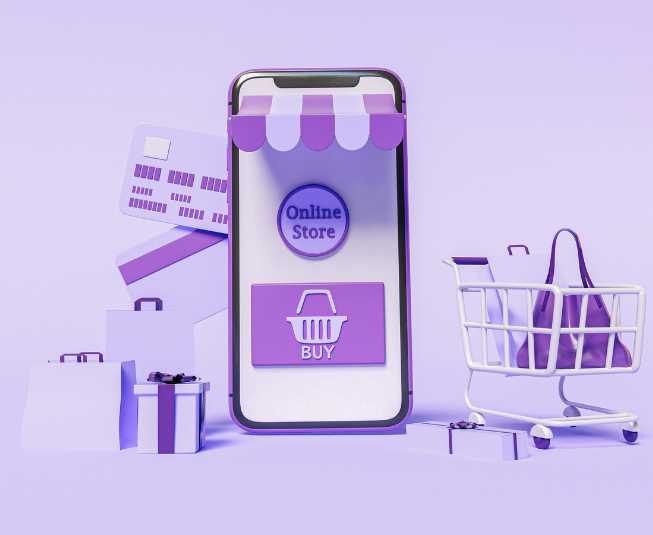
Plan Payments and Delivery for Your UAE Store

Define how your Dubai business will accept orders and fulfil them across the UAE. Agree your AED pricing, delivery coverage, address fields, and order notifications before development so the store reflects your actual operations.

Choose payment integrations after confirming provider eligibility, fees, and account approval.

Set delivery zones by emirate or area, with clear charges and any minimum order values.

Discuss Arabic and English content, cash on delivery, or collection where your business offers them.

Features for a Practical Ecommerce Website

Build a feature list around your products and operations. Availability and implementation depend on your selected platform, integrations, and agreed scope.

Product Catalogue

Organize categories, variations, images, and product information for easier browsing.

Mobile-Friendly Design

Create layouts that adapt to phones, tablets, and desktop screens.

Payment Integration

Connect an agreed payment provider and test successful, failed, and cancelled payment flows.

Delivery Options

Define shipping zones, charges, collection options, and order status messages.

Search-Friendly Pages

Plan descriptive page titles, product URLs, internal links, and relevant structured data.

Store Management

Set up the agreed tools for managing products, orders, customers, and staff access.

Ecommerce Development Dubai: Frequently Asked Questions

The cost depends on the catalogue size, design, platform, payment and shipping integrations, languages, and custom features. Request a quote that separates development from hosting, licences, third-party fees, and ongoing maintenance.

The timeline depends on the agreed scope and the readiness of your product data, images, content, and payment account. A project schedule should cover design approval, development, content entry, testing, and launch.

Start with your product types, catalogue size, order process, budget, and integrations. KnotHost can discuss a suitable approach after reviewing these requirements, including whether a standard platform or custom development fits your project.

Payment integration can be scoped once the provider and platform are confirmed. You will need an approved merchant account where required. Provider fees, supported payment methods, and settlement terms should be confirmed directly with the provider.

Delivery zones, area-based charges, collection, and cash on delivery can be discussed during planning. The final setup depends on what your business and delivery partners offer and what the chosen platform supports.

A bilingual store can be included in the scope, covering translated content, language navigation, and right-to-left layouts for Arabic. Agree who supplies and approves translations and test both shopping journeys before launch.

Migration depends on the data export options and the new platform. Review products, images, customers, and order history separately. Plan redirects for changed URLs and validate imported records before switching the live store.

Product updates, order management, staff access, and a handover session can be included in the project. Confirm the maintenance scope separately, including updates, backups, technical support, and any future feature changes.
Ready to Start Selling Online?

Let’s Plan Your Ecommerce Website

whatsapp icon
whatsapp icon